
Etsy

Etsy taught me the power
of specific buyers.

Niche discovery. Visual trust. Specific intent.

Etsy taught me that selling to a smaller audience can actually make the job clearer. The buyer often knows exactly what they want. Your job is to understand the niche, show up in the right search, and make the product feel like the obvious fit.

Broad appeal matters less when relevance is high.

  • Niche discovery Specific audiences
  • Search intent Keywords · relevance · listings
  • Visual trust Photography · reviews · presentation
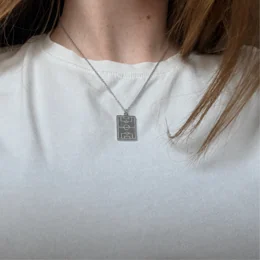
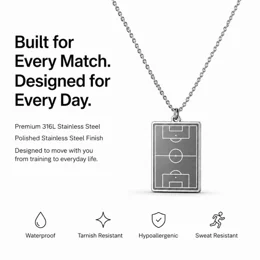
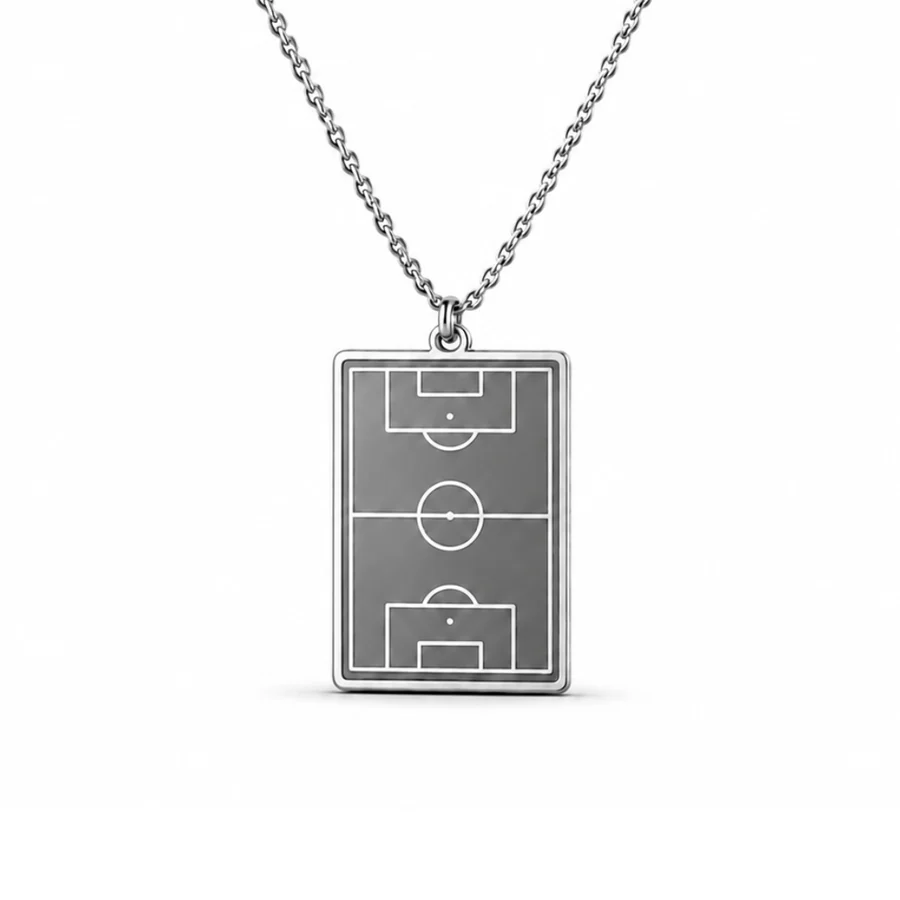
  • Silver football pitch pendant worn over a white t-shirt
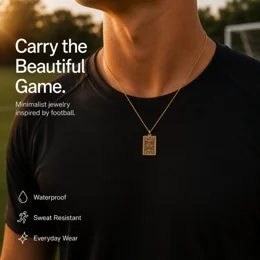
  • Listing image: "Carry the Beautiful Game." gold pendant worn with a black shirt
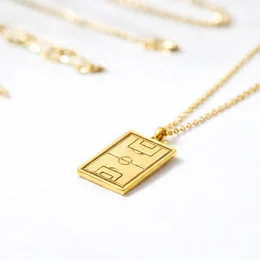
  • Close-up of a gold football pitch pendant on its chain
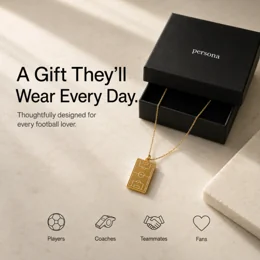
  • Listing image: "A Gift They'll Wear Every Day." pendant with a black gift box
Real listing photography from Persona Jewelry — the same product read four different ways, for four different buyers.

Niche intent

Selling gets clearer when the buyer is specific.

Etsy buyers often arrive with a clear idea of what they’re looking for — a style, a gift, a personalization, a specific product type. That changes how you think about positioning.

The smaller the audience, the more important it is to understand exactly what they want.

Discovery

Relevance beats broad appeal.

Etsy does not reward the biggest catalogue. It rewards the listing that most obviously matches what someone typed. Six things decide that.

  1. 01

    Niche

    Who is this actually for?

    A product aimed at everyone reaches no one on Etsy. Narrowing the buyer narrows the competition at the same time.

  2. 02

    Search

    What exact language is the buyer using?

    Titles and tags are not decoration. They are the sentence the buyer already has in their head, written back to them.

  3. 03

    Photography

    Does the product make sense immediately?

    Etsy is a visual feed before it is a store. The first image decides whether the listing is ever opened.

  4. 04

    Listing

    Does the page answer the questions before they’re asked?

    Sizing, materials, timelines, personalization. Every unanswered question is a reason to close the tab.

  5. 05

    Reviews

    Is there enough proof to reduce hesitation?

    Buyers are trusting a person, not a warehouse. Reviews are the closest thing to meeting the maker.

  6. 06

    Offer

    Does the product feel specific enough to be worth choosing?

    Personalization, gifting, and framing turn a generic item into the obvious one for a particular person.

Search

Etsy rewards specificity.

A vague product competes with everything. A specific product competes with the few things that actually matter.

· Diagram How the same product sits in two different searches. Abstracted on purpose — not an Etsy screenshot.

Broad query

necklace

Competing against

Everything

The buyer has not told you anything yet. Ranking is decided by scale, price and luck — none of which a small shop wins.

Specific query

personalized football pendant gift for him

Competing against

A short list

The buyer has named the product, the occasion and the recipient. Now the listing that matches most exactly is the one that wins.

Visual trust

The photo has to do a lot of work.

There is no salesperson and no brand recognition. The image set is the entire pitch — it has to explain the product, prove the quality, and place it in a life.

  1. Spec image: "Built for Every Match. Designed for Every Day." with material and finish details 01

    Explain the object

    Material, size, chain length. The spec image removes the questions that would otherwise become messages.

  2. Pendant worn over a white t-shirt 02

    Show it worn

    Scale is the single most common return reason in jewelry. On a person, it stops being a guess.

  3. Lifestyle image: "Carry the Beautiful Game." worn with a black shirt 03

    Name the buyer

    A lifestyle frame tells a specific person this was made for them, before they read a word.

  4. Close-up of the gold pendant finish 04

    Prove the finish

    Close enough to see the edges. Detail is how a small shop signals it is not drop-shipping.

Real listing images from Persona Jewelry on Etsy. Four photographs, four different jobs — the set is designed, not collected.

The offer

Specific products create specific reasons to buy.

The product gets stronger when the buyer can immediately see who it is for.

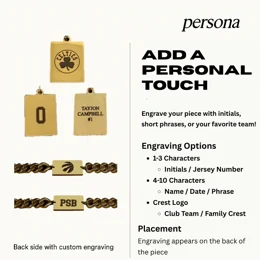
  • Listing image: "Add a personal touch" showing engraving options on gold tags Personalization

    A name turns a product into their product.

    Engraving is not an upsell. It is the thing that makes the item impossible to find anywhere else, which is exactly what Etsy buyers are searching for. It also raises the price the buyer is willing to accept, because they are no longer comparing it to anything.

  • Listing image: "A Gift They'll Wear Every Day." with a black gift box Gifting

    Most Etsy buyers are shopping for someone else.

    That changes what the listing has to do. The question is no longer “do I like this” but “will they”. Framing the product around the recipient — the football fan, the coach, the teammate — answers the question the buyer is actually asking.

Trust

Reviews carry a lot of weight.

On a marketplace of independent shops, a buyer is not choosing between brands they already know. They are deciding whether to trust a stranger with a gift that has to arrive on time and look like the photo.

That makes proof a design problem, not a marketing one. Most of it is earned before anyone writes a word — in how the product is described, how quickly a question gets answered, and how the parcel feels when it is opened.

  1. Human proof

    A photo of the piece actually worn, written by someone with no reason to be kind, does more than any claim on the listing. Buyer photos are the most valuable thing a shop can be given.

  2. Seller credibility

    Response time, dispatch time, and how a problem is handled are all visible. Consistency across hundreds of small interactions is what a shop’s reputation is actually made of.

  3. Buyer reassurance

    Gift buyers carry a deadline and a risk of embarrassment. Clear timelines, honest lead times on engraving, and a stated position on what happens if it goes wrong remove both.

Putting it into practice

Where I applied it.

Stainless steel football pitch pendant on a chain

Persona Jewelry — Sports Jewelry · Etsy

Jewelry for football people, not jewelry for everyone.

Persona sells the same pieces on Shopify and on Etsy, but the Etsy side of it is a different exercise. There, the shop is not competing on brand — it is competing on how precisely a listing matches a search someone has already decided to make.

What that changed

  • Listings written around the buyer and the occasion, not the material and the shape.
  • An image set with a job per frame — spec, worn, in context, close detail — instead of eight angles of the same thing.
  • Engraving surfaced as the reason to choose it, with the options and the limits stated plainly.
  • Gift-timing answered on the listing, because a late gift is the failure Etsy buyers are most afraid of.


The bigger context

Same product. Different rules.

Persona runs on all three. The pieces are identical. Almost nothing else is.

Etsy
What wins The brand you build and the traffic you bring. Price, availability and rank at scale. Being the most obviously correct answer to a narrow search.
The buyer Someone you found, and have to convince. Someone ready to buy, comparing you to everything. Someone looking for a particular thing, often for a particular person, on a deadline.
The leverage Owning the storefront, the data and the relationship. Operational discipline — inventory, cost, compliance. Specificity. The narrower and better-described the product, the less there is to compete with.
What it demands Building demand yourself, indefinitely. Margin, and living inside someone else’s rules. Accepting a smaller ceiling in exchange for a much clearer signal about who actually wants the product.

Different platforms reward different strengths.

Back to E-commerce Overview →

What Etsy taught me

Specificity is a competitive advantage.

  1. A narrow product is easier to sell than a broad one, even though it feels riskier.

  2. The words the buyer uses matter more than the words I would have chosen.

  3. Photography is not presentation. On a marketplace, it is the product description.

  4. Knowing exactly who the buyer is makes every other decision faster — pricing, packaging, what to build next.

  5. A smaller audience gives you a cleaner signal. Fewer sales, but you learn far more from each one.

Let's talk

Want to talk Etsy?

Niches, listings, search, photography, personalization, and how a small shop finds the buyers who were already looking for it.

Smaller audience. Clearer signal.